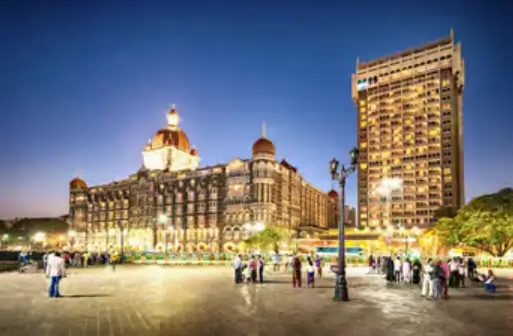
Mumbai, the bustling capital of the Indian state of Maharashtra, is a vibrant metropolis teeming with life, culture, and diversity. Known as the financial powerhouse of India, it is home to the Bombay Stock Exchange, numerous multinational corporations, and a thriving film industry affectionately dubbed Bollywood. The city’s blend of modern skyscrapers and historical architecture, such as the Gateway of India and the Chhatrapati Shivaji Maharaj Terminus, reflects its rich heritage and rapid development. Mumbai’s unique neighborhoods, from the affluent areas of South Mumbai to the crowded localities of Dharavi, offer a glimpse into the vast socio-economic spectrum that characterizes the city. The city’s culinary scene is as diverse as its population, showcasing an array of flavors that range from street food delights like vada pav to exquisite fine dining experiences.
Travel to Mumbai is made convenient by various airlines, including Cathay Pacific, which provides flight services from Los Angeles To Mumbai. This connectivity has made Mumbai an attractive destination for both business travelers and tourists alike. The city’s bustling airports, Chhatrapati Shivaji Maharaj International Airport and the domestic terminal, cater to millions of passengers each year, facilitating easy access to and from various parts of the globe. Visitors can immerse themselves in Mumbai’s lively atmosphere, explore its iconic landmarks, or relax at its stunning beaches. The city’s rich tapestry of cultures, languages, and traditions makes it a fascinating place to experience, whether one is indulging in a quiet moment at the tranquility of the Hanging Gardens or engaging in the vibrant chaos of local markets. With its dynamic energy and endless opportunities, Mumbai is truly a city that captivates the hearts of all who visit.
Haji Ali Dargah
Haji Ali Dargah, an iconic religious monument located off the coast of Worli, Mumbai, is a revered pilgrimage site attracting thousands of visitors daily. Built in the early 19th century, the structure is dedicated to the Muslim saint Haji Ali, who was a wealthy merchant before turning to a life of piety. The dargah stands on a small islet, and its stunning Indo-Islamic architecture features intricate marble carvings and a stunning silver dome, which reflects the beautiful blend of cultural influences characteristic of Mumbai. Surrounded by the Arabian Sea, the dargah can be accessed via a narrow causeway, which is submerged during high tide, further accentuating its ethereal quality.
The legend surrounding Haji Ali’s life adds to the shrine’s mystique. It is said that Haji Ali was a Sufi saint who embarked on a pilgrimage to Mecca. On his journey, he threw his wealth into the sea, professing that he would return empty-handed, a testament to his renunciation of material possessions. After his death, his tomb was built at the location where he was buried, and it quickly became a site of devotion. Pilgrims, irrespective of their religious backgrounds, visit the dargah, drawn by the stories of miracles and healing attributed to Haji Ali.
The dargah is not only a spiritual center but also a cultural hub that promotes communal harmony. Visitors often participate in rituals and offerings, such as lighting lamps and distributing food to the needy. The shared practice of seeking blessings, regardless of faith, fosters a sense of unity among diverse groups. Festivals, particularly the annual Urs, attract throngs of devotees, as they celebrate the legacy of Haji Ali with music, dance, and collective prayers, reinforcing the dargah’s role as a melting pot of cultures.
In recent years, Haji Ali Dargah has also become a significant tourist attraction, embodying the essence of Mumbai’s rich history and cultural fabric. The serene ambiance, coupled with the breathtaking views of the sea, offers visitors a peaceful retreat from the city’s hustle and bustle. As it continues to be a symbol of faith and unity, Haji Ali Dargah remains a testament to the enduring spirit of worship, inspiring both locals and tourists alike to seek solace and connection in its hallowed grounds.
See also: New Life Health Greenville SC: Common Questions, Risks, and Better Comparison Criteria
Crawford Market
Crawford Market, located in the heart of Mumbai, is one of the city’s most iconic and bustling markets. Established in 1869, it was designed by the British architect K. S. Hughes and named after Arthur Crawford, the then Municipal Commissioner of Mumbai. The market was originally constructed to provide a place for farmers from the surrounding areas to sell their produce directly to consumers, thus revolutionizing the way goods were traded in the city. Its stunning Victorian Gothic architecture, complete with a clock tower and picturesque interiors, makes it a visual delight, attracting both locals and tourists alike.
As you stroll through the narrow lanes of Crawford Market, you will encounter an explosion of colors and sounds. The market is divided into various sections, each dedicated to specific goods. Fresh fruits, vegetables, spices, and meat can be found fresh and vibrant, sourced from local farms and suppliers. The fish section is particularly noteworthy, offering a variety of seafood that reflects the coastal heritage of Mumbai. Beyond food, Crawford Market is also known for its wide range of household goods, textiles, and jewelry, making it a one-stop shopping destination for many.
Crawford Market is not just a place for shopping; it is a sensory experience that immerses visitors in the vibrant culture of Mumbai. The buzz of vendors calling out to shoppers, the aroma of spices permeating the air, and the dazzling displays of colorful fruits and vegetables create an exhilarating atmosphere. Street food stalls peppered throughout the market offer a taste of local delicacies, allowing visitors to savor authentic Mumbai cuisine, while vendors often share stories about their products, enriching the shopping experience.
The significance of Crawford Market extends beyond commerce; it serves as a cultural hub where communities converge. A melting pot of diverse cultures, the market embodies the spirit of Mumbai itself – vibrant, chaotic, and full of life. With its rich history and dynamic present, Crawford Market continues to thrive as a vital part of Mumbai’s urban landscape, drawing those eager to explore its treasures and engage with its lively spirit. Whether it’s for a day of shopping or to soak in the atmosphere, Crawford Market remains an essential destination for anyone visiting this bustling metropolis.
Colaba Causeway
Colaba Causeway, often referred to simply as the Causeway, is a bustling street market and one of Mumbai’s iconic landmarks. Located in the southern part of the city, this lively thoroughfare is famous for its eclectic mix of shops, street vendors, and local cafes, offering a unique glimpse into the vibrant culture of Mumbai. The Causeway stretches from Colaba to Fort, connecting visitors to several historical landmarks, making it both a commercial hub and a cultural hotspot.
One of the major highlights of Colaba Causeway is its diverse shopping experience. The street is lined with stalls and boutiques selling everything from trendy apparel and handcrafted jewelry to souvenirs and vintage items. Shoppers can discover local artisans showcasing their crafts, alongside well-known brands and local boutiques. Bargaining is part of the experience, making it not just a shopping trip but an adventure filled with interactions and surprises. For many, the thrill of finding unique items at a bargain is what keeps them coming back.
Additionally, Colaba Causeway is home to many of Mumbai’s beloved eateries and cafes. Establishments like Café Leopold and Bademiya offer delicious local cuisine and a vibrant atmosphere that attracts both locals and tourists alike. The Causeway serves as a melting pot of flavors, where people can savor Mumbai’s iconic street food, including vada pav, pav bhaji, and fresh seafood. Dining at these establishments often comes with lively conversations, making it an excellent spot to soak up the essence of the city.
Beyond shopping and dining, the Causeway is a gateway to several historical attractions, such as the Gateway of India and the Taj Mahal Palace Hotel, both just a short walk away. The rich history and architectural beauty surrounding Colaba enrich the visitor experience, providing a perfect blend of commerce, culture, and history. Colaba Causeway continues to be a must-visit destination for anyone looking to experience the heart and soul of Mumbai.
